PROGRAMS

Fashion Design Diploma

I don’t design clothes. I design dreams.

Ralph Lauren, fashion designer

Fashion Design Diploma

I don't design clothes. I design dreams.
-
Ralph Lauren, fashion designer

Request Program Information

Please contact me with more information relating to the college and program. I understand I may cancel my consent at anytime.

Behind the Scenes

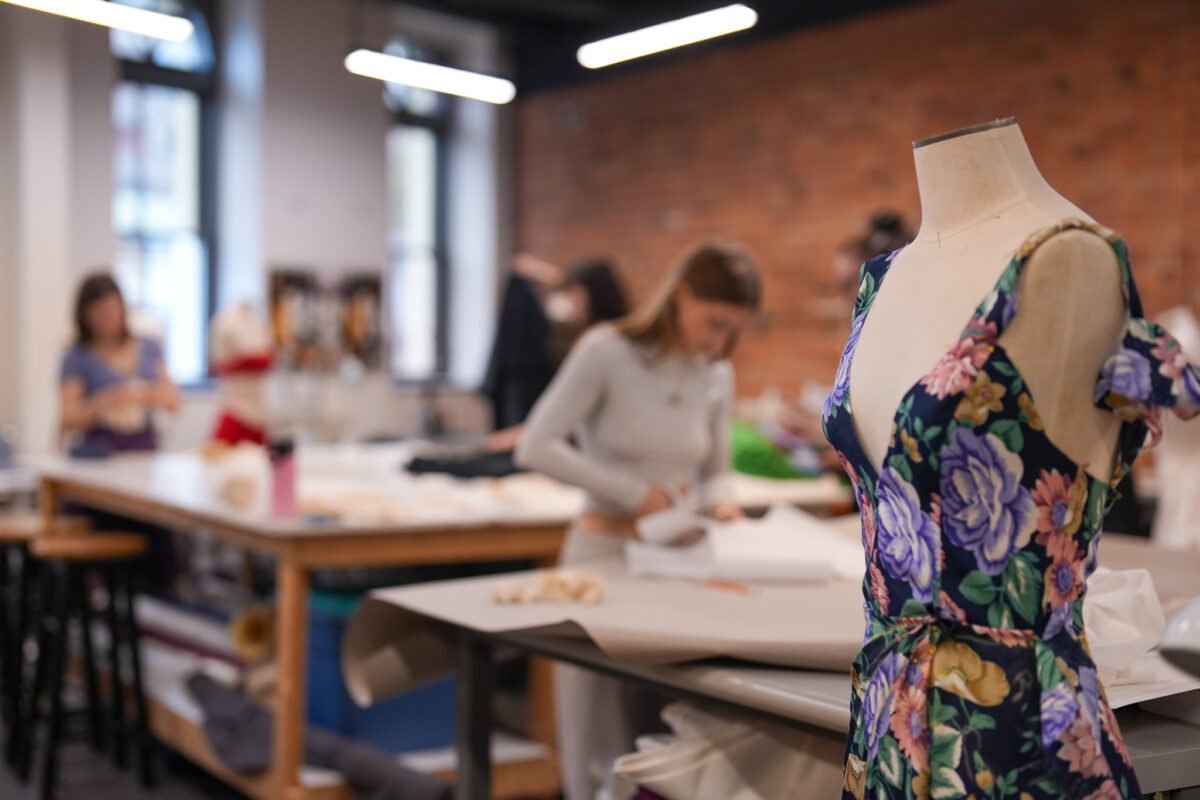
Take a tour of our Fashion Design department and see where ideas become reality. It’s your chance to connect with instructors, explore the tools of the trade, and picture yourself in the studio.

Schedule a Tour

Tuition is Listed on
PDF Application Forms

See Admissions Page

Talk to a PDA
Student Advisor

250-383-3631

Diploma Program [1 Year]

Fashion Design

Next Cohort Start: September 28, 2026

Why study Fashion Design at PDA

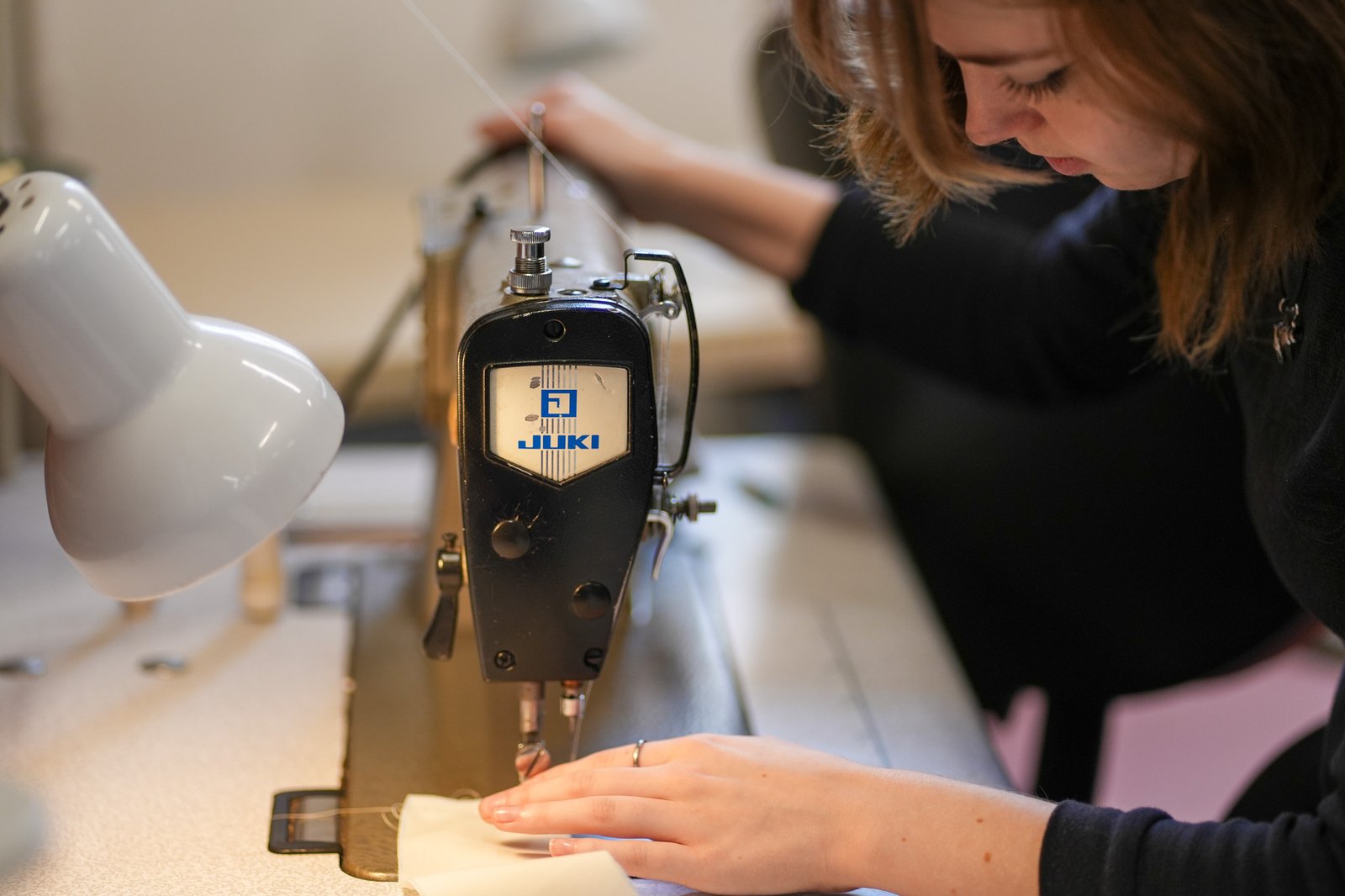
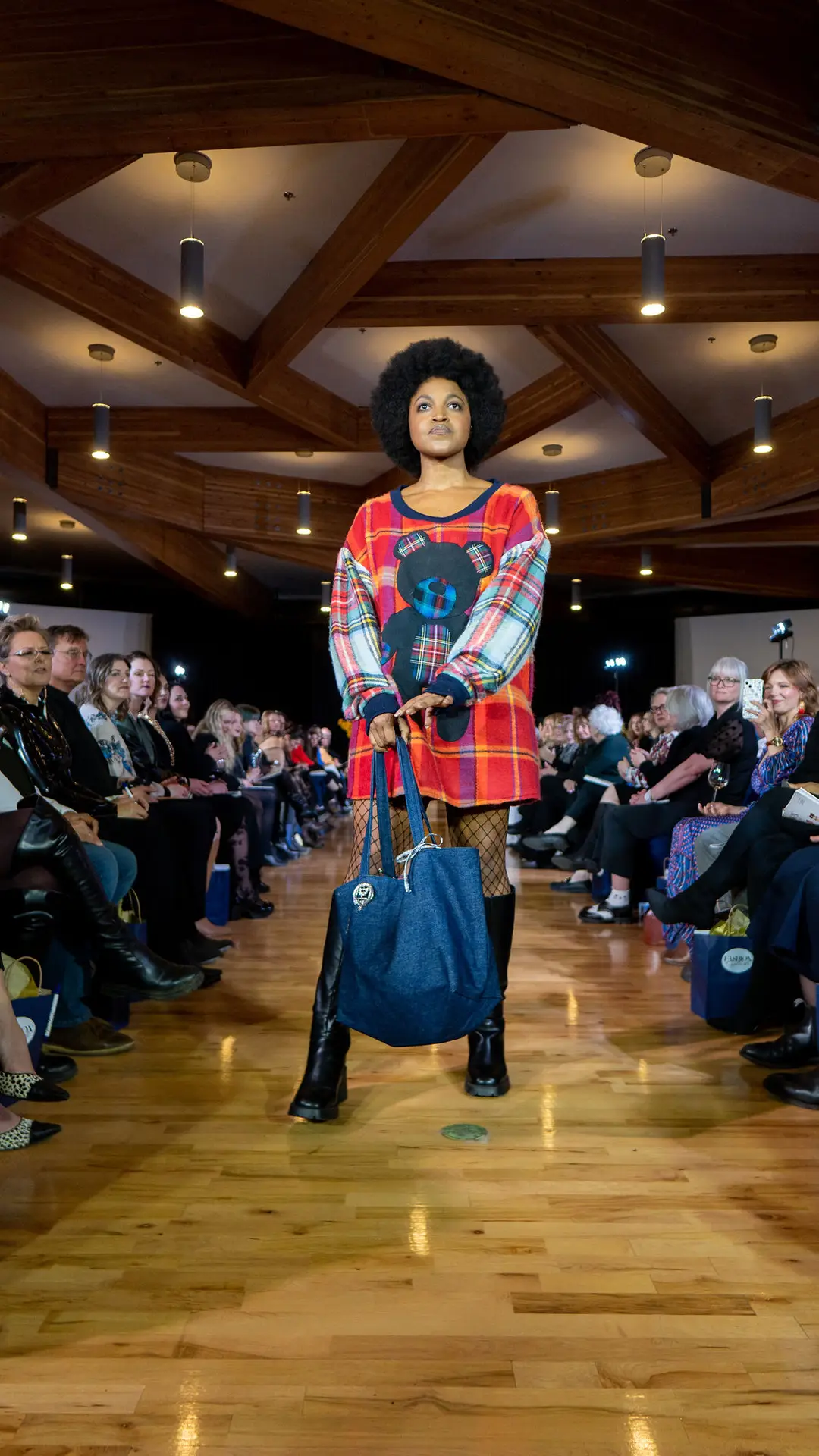
Our 15 months Fashion Design Diploma program is designed to provide students with a comprehensive understanding of the creative and technical aspects of fashion design, empowering them to pursue exciting careers in the dynamic fashion industry. From sketching and pattern-making to garment construction and draping, our program emphasizes hands-on learning experiences that stimulate real-world design scenarios, allowing students to gain practical skills and confidence in their design abilities. A highlight of our program is opportunity for students to showcase their creations in our annual fashion show. By compiling a strong portfolio, students are well-prepared to explore ever-evolving fashion landscape.

Careers in Fashion Design

Fashion Designer

Fashion Illustrator

Pattern Drafter

Tailor/Seamstress

Garment Fit and Construction Specialist

Fashion Stylist

Fashion Merchandiser

Garment CAD Technician

Fashion Retail Buyer

Textile Designer

Students will learn to

Identify current trends related to the fashion design industry

Conceive, design, and illustrate their own original garments

Identity the differences between various textiles and fabrics

Utilize fabric draping techniques

Photograph their own collection of garments

Participate in a professional level fashion show of their designs

Utilize advanced pattern making techniques with CAD

Utilize various garment construction techniques

Create a tech pack for commercial garment production

Utilize fashion design industry business practices

Create a portfolio presentation of their own designs

Admission Procedures

Completion of high school or equivalent (GED)

Proof of education (transcript, diploma, letters of recognition)

Completed Application Form;

Signature of a parent or guardian is required for students under the age of 19

Non-refundable application fee

Copy of a valid government-issued photo ID or birth certification

Letter of intent detailing background and future goals

English language proficiency requirement. See more details on the Admissions page

*Please note that this requirement applies to all students, regardless of citizenship or residency. If the minimum grade requirement is not met, an English proficiency test may be considered as a supplementary document for admission.

Fashion Design Curriculum

This course provides an in-depth exploration of the fashion industry’s structure, from concept development to final production. Students will examine the business side of fashion, gaining insight into how consumer demand, purchasing power, and market segmentation—shaped by factors such as demographics, psychographics, and income—impact design decisions. The course also introduces various career paths within the industry and encourages students to begin identifying their unique design strengths and target markets. Additionally, students will study iconic fashion leaders of the 19th and 20th centuries, analyzing their contributions and lasting influence on the industry.

Within the framework of the design process you will learn essential ideation, design, and workplace skills. The complex problems you’ll face in the workforce will require you to think critically and creatively, communicate your ideas effectively, and apply your specialized skills in a collaborative environment. Whether you’re working on a largescale building development, making a documentary, contributing to an online magazine, or taking a new fashion line to market, the success of the project will rely on your 
ability to understand the design process and use essential workplace skills.

In this course, students will explore the fundamental elements and principles of design, including balance, line, shape, and color theory. Through hands-on learning, they will apply these concepts to develop original fashion designs and begin creating their final collections. Emphasis will be placed on the full garment development process—from concept and inspiration to draping, patternmaking, cutting, and sewing. Students will also advance their technical skills by working with increasingly complex silhouettes, ultimately producing a final, well-executed garment that reflects their personal design vision.

In this course, students will learn about the environmental impact of the fashion industry. They will learn about the history of industrialization in the fashion industry, the development of manmade textiles, the advent of fast fashion, and collective efforts to reduce the environmental impact of the fashion industry. They will also learn about global standards of fair trade and ethical garment production.

This course provides an overview of the textile industry and will cover the identification, properties and use of fibres and fabrics for apparel products. Weaving, dyeing, and printing processes will be explored through course assignments. Performance, care and labelling laws will also be covered.

Garment Construction I
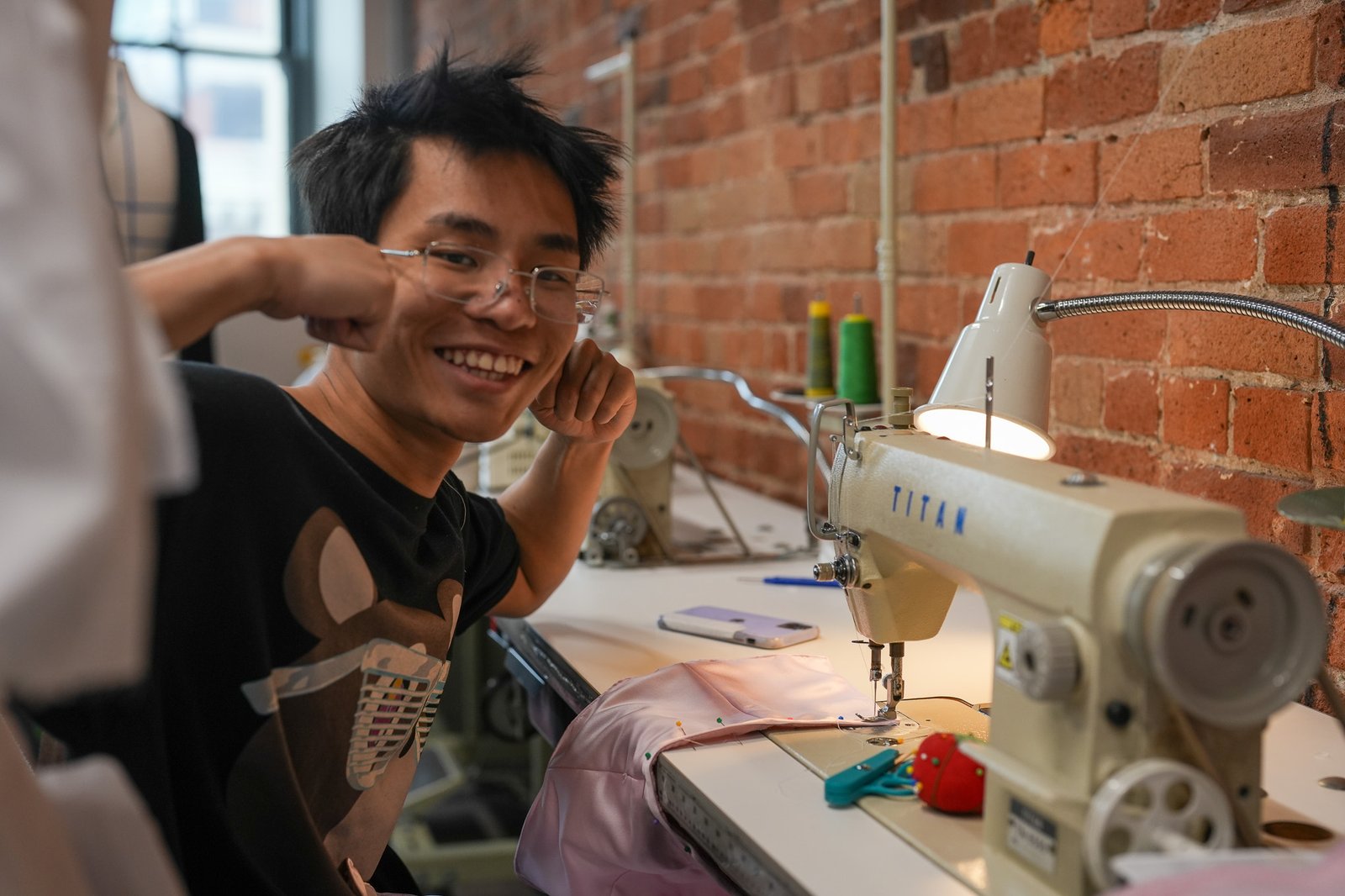
This course introduces the various fashion industry techniques used in professional garment sewing. Students will learn to use an industrial sewing machine and serger while gaining experience with a variety of common seams and construction techniques.

Garment Construction II
Building upon the skills acquired in the previous Garment Construction course, students will be introduced to fashion industry techniques used in professional garment sewing and better develop their skills with more complex methods.

Garment Construction III
This course builds upon the foundational skills acquired in previous Garment Construction courses. In Garment Construction III, students will learn the specialized skills associated with knitwear and stretch garments. Students will learn about knitting machines, negative ease, and the unique challenges of working with knits and stretch fabrics.

Garment Construction IV
This course builds upon the foundational skills acquired in previous Garment Construction courses. In Garment Construction IV, students will learn the specialized skills associated with menswear and tailoring.

Garment Construction V
This course builds upon the foundational skills acquired in the previous Garment Construction courses. In Garment Construction V, students will apply their skill sets toward creating a final collection of their work for the graduation fashion show.
Pattern Drafting I
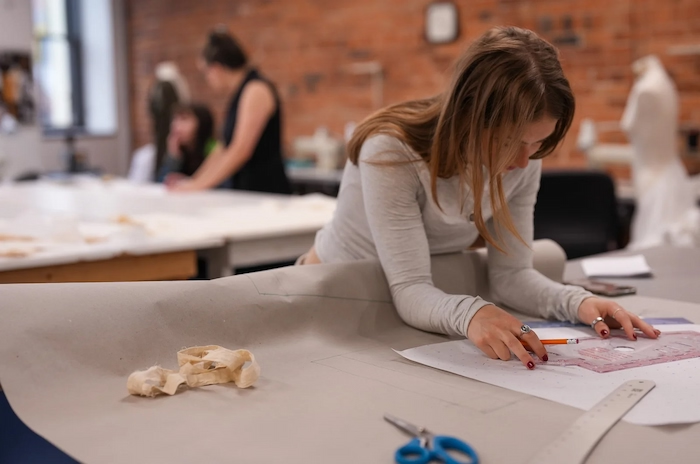
Students will learn the basic principles of pattern development through pattern drafting exercises and assignments. Students will learn draping patterns using standard measurements and how to manipulate those patterns to achieve a desired design.

Pattern Drafting II
In Pattern Drafting II students will continue to explore pattern drafting skills as a continuation of Pattern Drafting I. Expanding on a repertoire of the basic block set (skirt front/back, bodice front/back, and sleeve), the shaping and lengthening of pre-existing patterns into pants, shirts, and dresses will be approached. Emphasis will be placed on the manipulation of pre-drafted patterns.

Pattern Drafting III
This course builds upon the foundational skills acquired in previous Pattern Drafting courses. In Pattern Drafting III, students will learn the specialized skills associated with knitwear and stretch garments. Students will learn how to create patterns for knitting machines, as well as how to draft sewing patterns for knit fabrics.

Pattern Drafting IV
This course builds upon the foundational skills acquired in previous Pattern Drafting courses. In Pattern Drafting IV, students will learn the specialized skills associated with menswear and tailoring.

Pattern Drafting V
This course builds upon the foundational skills acquired in the previous Pattern Drafting courses. In Pattern Drafting V, students will apply their skill sets toward creating a final collection of their work for the graduation fashion show.

Sound I
Through in class exercises and short assignments we will address audio topics most relevant to documentary production. This is a two-pronged approach: proper audio acquisition through mic and recording techniques in a variety of situations; and voice relevant audio processing and mixing techniques. Students will experience on camera and off camera recording and with dual system audio synchronization in the digital environment. Microphone and recorder characteristics will be examined along with common audio processing tools such as compression, equalization and noise reduction focusing on voice enhancement. Assessment will be through short audio projects, in class presentations and one on one assessment, and the quality of audio production demonstrated in term projects.

Sound II
Building on the skills acquired in term 1, we will address the audio recording and digital processing challenges in PSA/Commercial production. The planning, audio acquisition and digital organization of complex projects will be reflected in assigned projects and in class exercises. Recording and other methods of acquiring additional audio assets such as voice overs, sound effects, music and ambience will be combined with practical exercises and assignments for the optimal use of audio assets in the digital PSA/Commercial creation environment. Advanced digital tools such as reverb/dereverb, chorusing, and others, will be addressed and utilized.

Sound III
Using the skills and knowledge acquired in semester one and two we will focus on some of the challenges in recording a dramatic production. Attention will be paid to recording audio while dramatic action is taking place and to appropriate microphone usage. Post-production techniques for voice enhancement will be further explored as will the digital manipulation of environmental soundscapes. Basic foley (SFX production) and ADR (automated/additional dialogue recording) techniques will be addressed as well as ways to make in studio recording ambiance match on location ambiance.

Visual Effects I
In this course students will gain an introductory understanding to graphic design and motion graphics as they relate to film. The main focus of the course will be on learning how to use the Adobe After Effects in the filmmaking process.

Visual Effects II
In this course students will gain an advanced understanding of graphic design and motion graphics as they relate to film. The main focus of the course will be on mastering the programs Adobe Photoshop and Adobe After Effects in the film making process.

Directing I
This course focuses on the art and craft of directing. Students will develop their own visual style while working effectively with crew and actors. Students will analyze the development of the dramatic situation, explore character needs and relationships, and breaking down the script. Students will learn and practise the role of the director throughout the filmmaking process. The role and the responsibilities of the assistant director will be analyzed, with particular emphasis on working with the director.

Directing II
This second course in directing will focus on working directly with actors, and effectively communicating as a director. Topics covered will include creating useful character profiles, the casting process, rehearsals, and getting the best performances out of actors. Students will refine their abilities to effectively communicate with actors and crew, and how to pitch their ideas to producers and potential financiers.

This course will be dedicated to discussion of an assigned film, review of key scenes from that film. The class will visit from local filmmakers and production personnel that allow students the opportunity to benefit from the real-world experiences of industry professionals who will share their insights into the industry.

In this course, students will learn the procedures, processes and practices of motion picture production with an emphasis on the practical mechanics of how a short drama film gets made. We will look at the stages of film production and how a beginning filmmaker can successfully navigate each stage.

The Commercial Production course is designed to educate students on the business aspects and production of television commercials. Students will explore the steps involved in the development process, dealing with a client, and producing broadcast quality television commercials (scripting, storyboarding, shortlisting).

This program has been approved by the Private Training Institutions Regulatory Unit (PTIRU) of the Ministry of Post-Secondary Education and Future Skills of the Government of British Columbia.

2025 Fashion Design Student Work

2025 Fashion Design Graduate Interview

Apply for Fashion Design

Previous: Graphic Design

Focused on user experience and interface design, this program blends visual creativity with technical skills—ideal for launching careers in web development, mobile app design, and interactive media.

Graphic Media Design Program

Next: Interior Design

A practical program that prepares students for careers in interior design studios, architecture firms, and design-build environments. Students gain both creative and technical skills to design functional, inspiring spaces.

Interior Design Program
Get Program Info

Get program details, tuition, and next intake dates. Small classes · Industry instructors · Since 1991

Please contact me with more information relating to the college and program. I understand I may cancel my consent at anytime.
Explore
Drag